



Understanding Trochanteric Bursitis
Trochanteric bursitis presents as pain on the outer hip, often aggravated by walking, prolonged standing, or lying on the affected side. At Reliefic Physiotherapy, assessment identifies contributing factors such as muscle imbalance or altered biomechanics. Treatment includes manual therapy, soft tissue work, and targeted strengthening to reduce irritation and improve movement.
Our Specialized Approach
- Palpation & Provocation AssessmentIdentify lateral hip tenderness, reproduce symptoms with specific tests, and assess contributing biomechanical factors.
- Pain & Bursal Inflammation ReductionApply ice, ultrasound, and TENS to reduce lateral hip pain and calm bursal inflammation during the acute phase.
- IT Band & Hip Flexor StretchingTarget iliotibial band and hip flexor tightness that increases compressive load on the trochanteric bursa.
- Glute & Hip Abductor StrengtheningStrengthen gluteus medius and hip abductors to improve lateral hip stability and reduce bursal irritation.
- Gait & Posture CorrectionAddress Trendelenburg gait, pelvic drop, and leg length discrepancies that contribute to excessive bursal compression.
- Activity Modification & Gradual ReturnGuide avoidance of aggravating postures such as cross-legged sitting and progress a gradual return to walking, running, and daily activities.
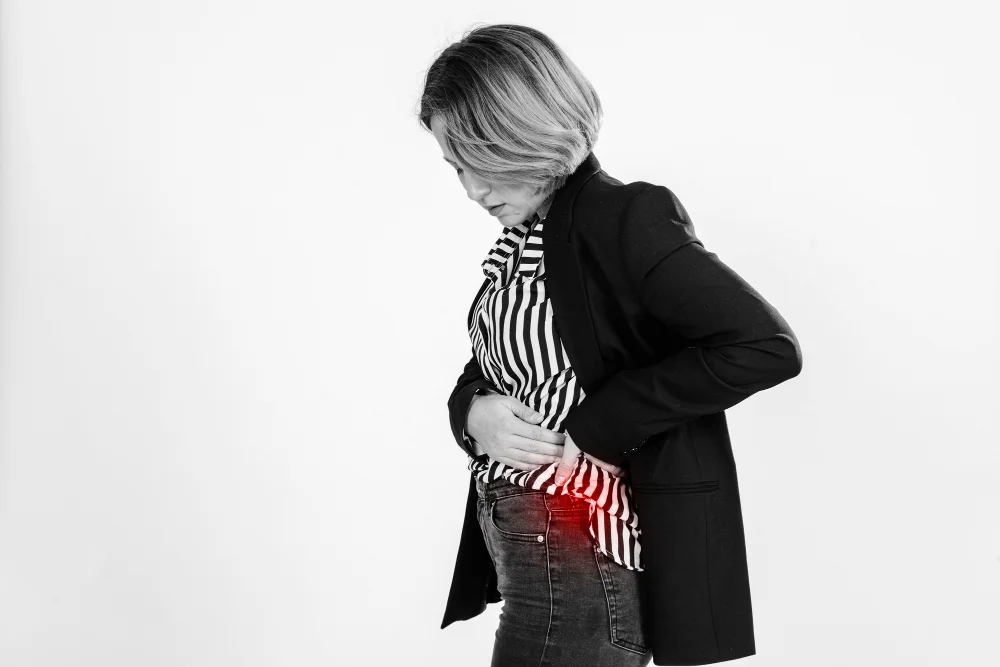
Insights & Symptoms
- Pain & DiscomfortLocalized pain in the affected area that may worsen with activity or specific movements.
- Reduced MobilityLimited range of motion and stiffness affecting your ability to move normally.
- Weakness & InstabilityDecreased strength and feeling of instability in the affected region.
- Functional LimitationsDifficulty performing daily activities, work tasks, or recreational pursuits.
Recovery & Wellness
- Relieve Outer Hip Pain FastGet fast relief from lateral hip pain, tenderness, and swelling caused by trochanteric bursitis through targeted greater trochanteric pain syndrome physiotherapy.
- Reduce Hip Bursa InflammationAddress hip bursa irritation and iliotibial band tightness through manual therapy, soft tissue techniques, and anti-inflammatory physiotherapy strategies.
- Rebuild Gluteal & Hip StrengthRestore gluteal and hip abductor strength to reduce trochanteric bursitis load through progressive rehabilitation and individualized exercise programs.
- Correct Hip BiomechanicsAddress contributing pelvic drop, hip adduction, and lower limb alignment issues through movement retraining and individualized physiotherapy care.
- Prevent Bursitis RecurrenceLearn hip load management and strengthening strategies to prevent trochanteric bursitis recurrence at our clinic - Reliefic Physiotherapy located in Kleinburg/Vaughan.

Frequently Asked Questions
Treatment duration varies based on severity and individual factors. Most patients see significant improvement within 4-8 weeks with consistent physiotherapy.
No referral is needed. You can book directly with us, though some insurance plans may require a doctor's referral for coverage.
Your first visit includes a comprehensive assessment, discussion of your goals, and development of a personalized treatment plan tailored to your condition.
In many cases, yes. Physiotherapy is often the first-line treatment and can help many patients avoid surgical intervention through conservative management.
How to Reach Us
Chat with us on WhatsApp for a convenient and fast way to connect with our clinic.