

Understanding Shin Splints
Medial tibial stress syndrome, or shin splints, results in pain along the front of the lower leg, often from repetitive running or jumping. Reliefic Physiotherapy evaluates muscle flexibility, foot mechanics, and gait patterns. Treatment includes manual therapy, stretching, strengthening of the lower leg and hip muscles, and activity modification to reduce stress and prevent recurrence
Our Specialized Approach
- Biomechanical & Load AssessmentEvaluate running mechanics, foot posture, training load, and bone stress to identify contributing factors to medial tibial pain.
- Pain & Bone Stress ManagementReduce training load, apply ice, and modify activity to allow tibial bone stress and periosteal inflammation to settle.
- Calf & Foot StrengtheningStrengthen calf, tibialis posterior, and intrinsic foot muscles to reduce excessive tibial loading and improve shock absorption.
- Flexibility & Soft Tissue ReleaseAddress calf and soleus tightness through stretching and foam rolling to reduce tension on the tibial periosteum.
- Footwear & Orthotics AssessmentEvaluate footwear suitability and consider orthotic prescription to correct foot mechanics contributing to shin splint symptoms.
- Graduated Return to RunningImplement a structured run-walk program with progressive load increases to safely return to full running and sport participation.
Insights & Symptoms
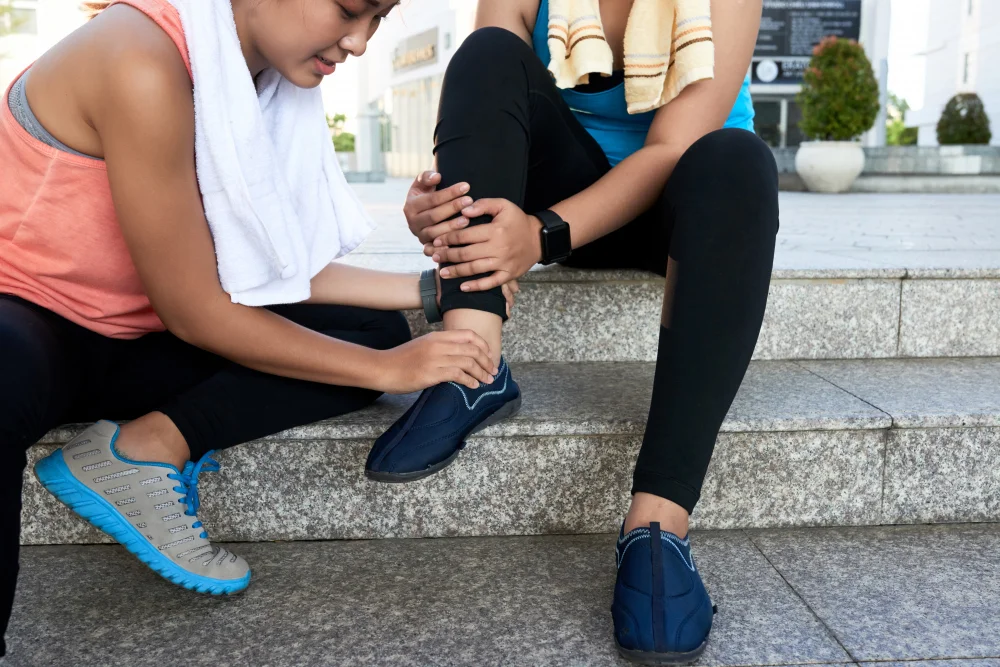
- Pain & DiscomfortLocalized pain in the affected area that may worsen with activity or specific movements.
- Reduced MobilityLimited range of motion and stiffness affecting your ability to move normally.
- Weakness & InstabilityDecreased strength and feeling of instability in the affected region.
- Functional LimitationsDifficulty performing daily activities, work tasks, or recreational pursuits.
Recovery & Wellness
- Relieve Shin Pain FastGet fast relief from medial tibial pain and exercise-related lower leg discomfort through targeted shin splints physiotherapy treatment.
- Evidence-Based Load ManagementApply proven training load management and running gait retraining to reduce tibial bone stress and promote tissue healing.
- Strengthen Lower Leg MusclesBuild tibialis posterior, calf, and foot intrinsic muscle strength through individualized shin splints rehabilitation and lower leg conditioning exercises.
- Correct Running BiomechanicsIdentify and fix contributing overstriding, foot pronation, and hip weakness through running gait analysis and biomechanical physiotherapy.
- Return to Running FasterGet back to running training and competition faster through a structured shin splints rehabilitation program at our clinic - Reliefic Physiotherapy located in Kleinburg/Vaughan.

Frequently Asked Questions
Treatment duration varies based on severity and individual factors. Most patients see significant improvement within 4-8 weeks with consistent physiotherapy.
No referral is needed. You can book directly with us, though some insurance plans may require a doctor's referral for coverage.
Your first visit includes a comprehensive assessment, discussion of your goals, and development of a personalized treatment plan tailored to your condition.
In many cases, yes. Physiotherapy is often the first-line treatment and can help many patients avoid surgical intervention through conservative management.
How to Reach Us
Chat with us on WhatsApp for a convenient and fast way to connect with our clinic.